

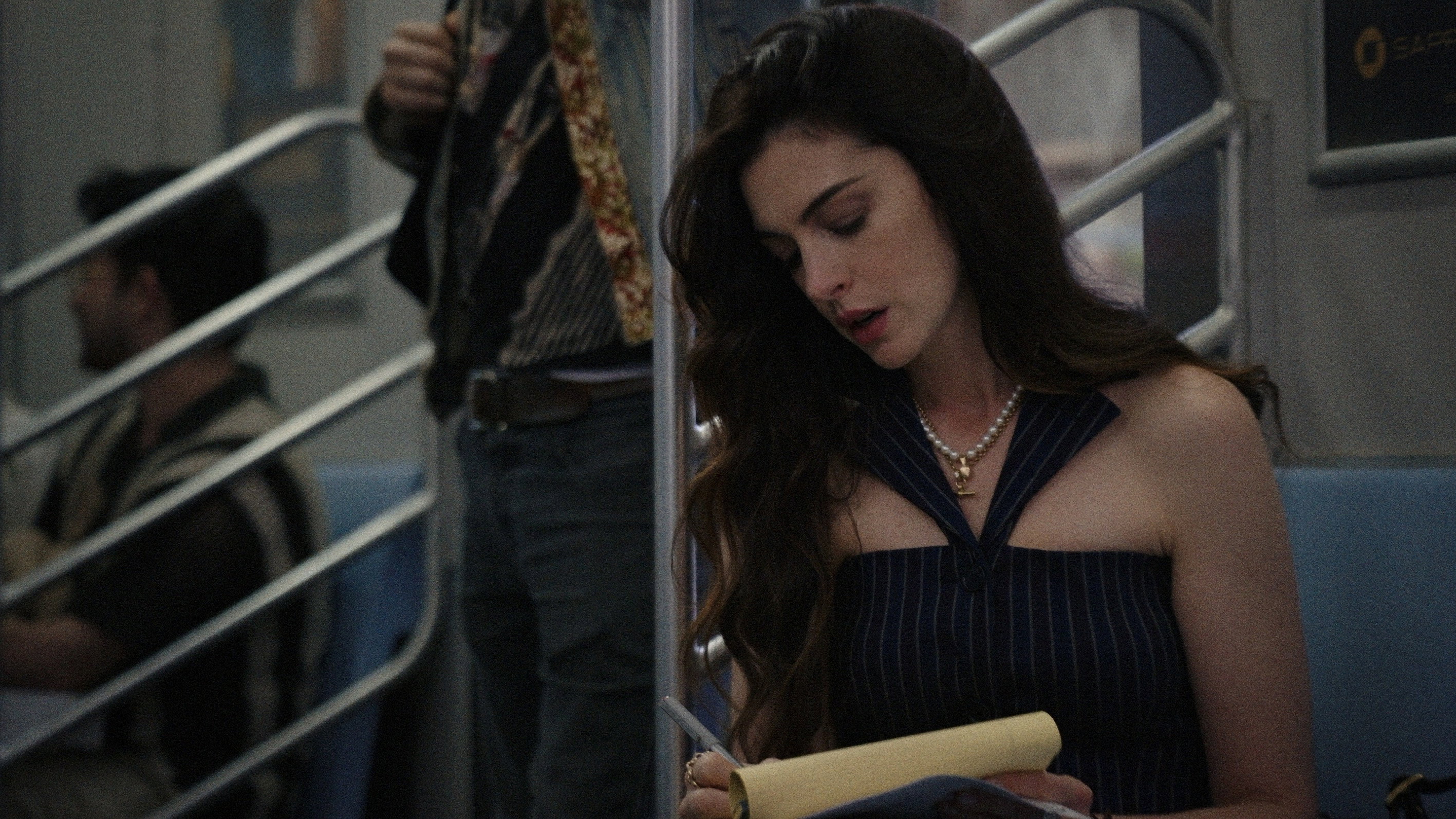
Legacy Sequels are always a tricky one. Sometimes, you get Top Gun: Maverick. Other times, you get* Terminator 3: Rise of the Machines*. You just never know. But thankfully, The Devil Wears Prada 2 leans much closer toward the former than the latter - a fun, and even clever, state-of-the-world homecoming that justifies its existence through a timely modernising of the story - taking these iconic characters and placing them in situations that, in our world, they likely would in fact find themselves in. With the state of the media industry changing quite drastically in the 20 years since the release of The Devil Wears Prada - magazines no longer hold the cultural influence they once did, audiences for journalistic efforts shrink by the year, consumerism has become increasingly online, and body shaming is no longer deemed acceptable (this one might just be ok). The follow-up to David Frankel's mid-2000s masterpiece tackles all these ideas, making for a much smarter, and maybe even much more needed sequel, than we could have possibly hoped for.
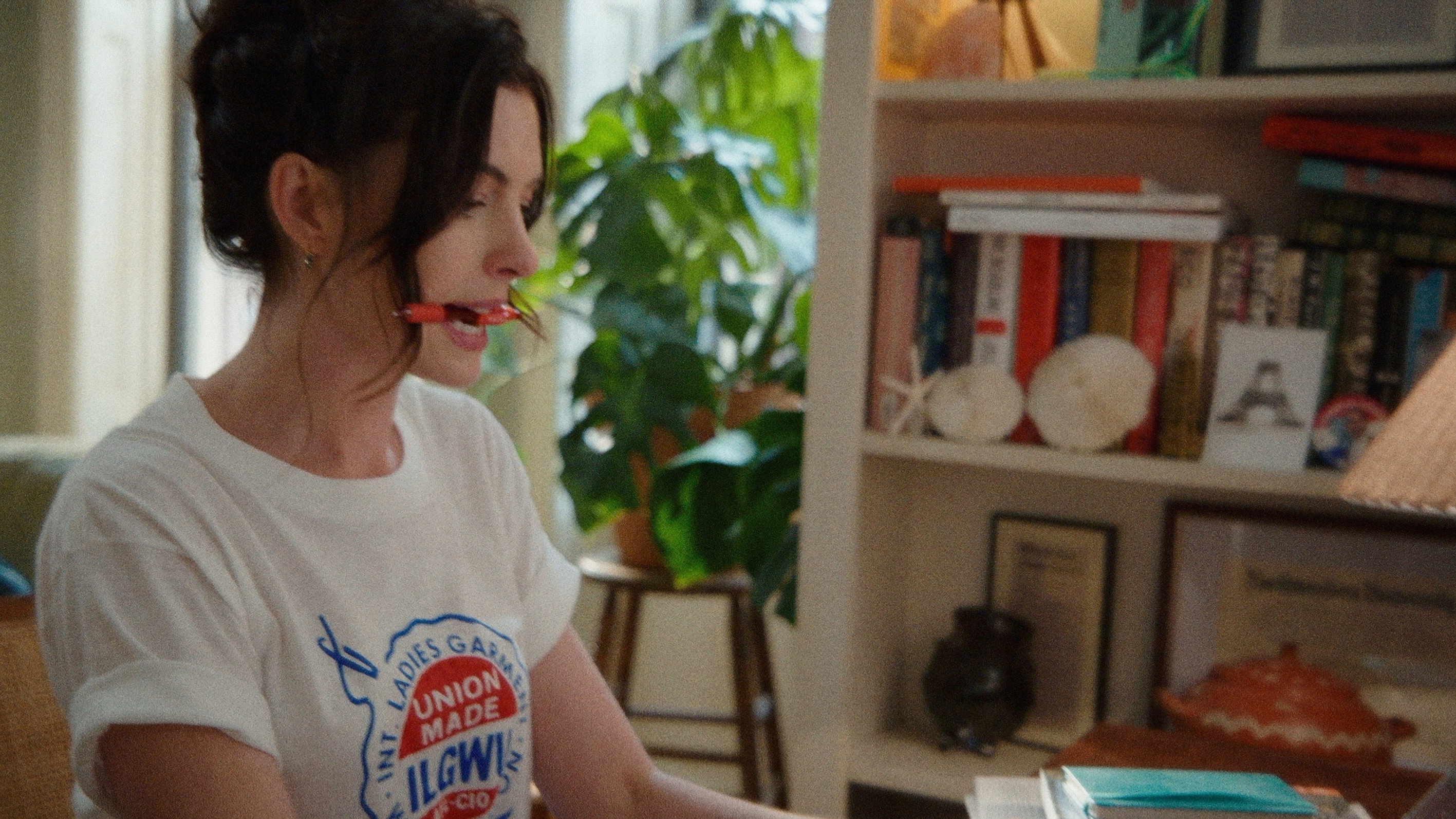
The film picks up by letting us know that the dreams of Andy Sachs (Anne Hathaway) have indeed been realised in the two decades since we last saw her, with the now all grown up Andrea winning an award for her journalistic work. In today's world of media conglomerations, mergers, and consolidations, however, good journalism doesn't always make for solid job security, and thus, Andy and her colleagues are let go by the newspaper that employs them. And now out of a job, Andy finds herself back at the doorstep of her former employer Runway, with the Miranda Priestly (Meryl Streep)-ran magazine in need of a features editor to steer them out of a sweatshop shaped controversy that threatens the security of the company's future. And after some deliberation and a debrief with some familiar faces, Andy is back where we first met her, and from this point on, we have a movie.
Following Andy's homecoming, it becomes clearer and clearer that this legacy cash grab has something a little more to say than we've become accustomed to, with the culture at Runway having altered considerably since Andy's last visit to mirror that of the world we inhabit today. Much of the magazine's content plan has shifted from print media to short-form digitisations, with a returning Stanley Tucci as Nigel even describing his work as something that people "Scroll by while they pee". Whilst Miranda's dictator-like reign of fire has been extinguished by a younger, more sensitive generation who are not afraid to complain to HR - encapsulated by Miranda's new assistants Amari (Simone Ashley) and Charlie (Caleb Hearon). In this, the film gets at something that most legacy sequels have been incapable of: Having a genuinely valid and important reason to bring back these characters, and this world, aside from needing a quick cash injection. Taking a stance on the ways in which the world has become further and further bogged down by the incessant need to chase clicks and impressions in a digital landscape ruled by those less tasteful than the initial target market for Runway and, let's be honest, Vogue - the magazine which Runway is modelled on. With Vogue even recently adjusting the frequency at which their iconic magazines are released, reducing from twelve per year to just eight. The reduction coincides with Anna Wintour - whom Amanda Priestly is modelled on - stepping down as Editor-in-Chief in June of 2025.
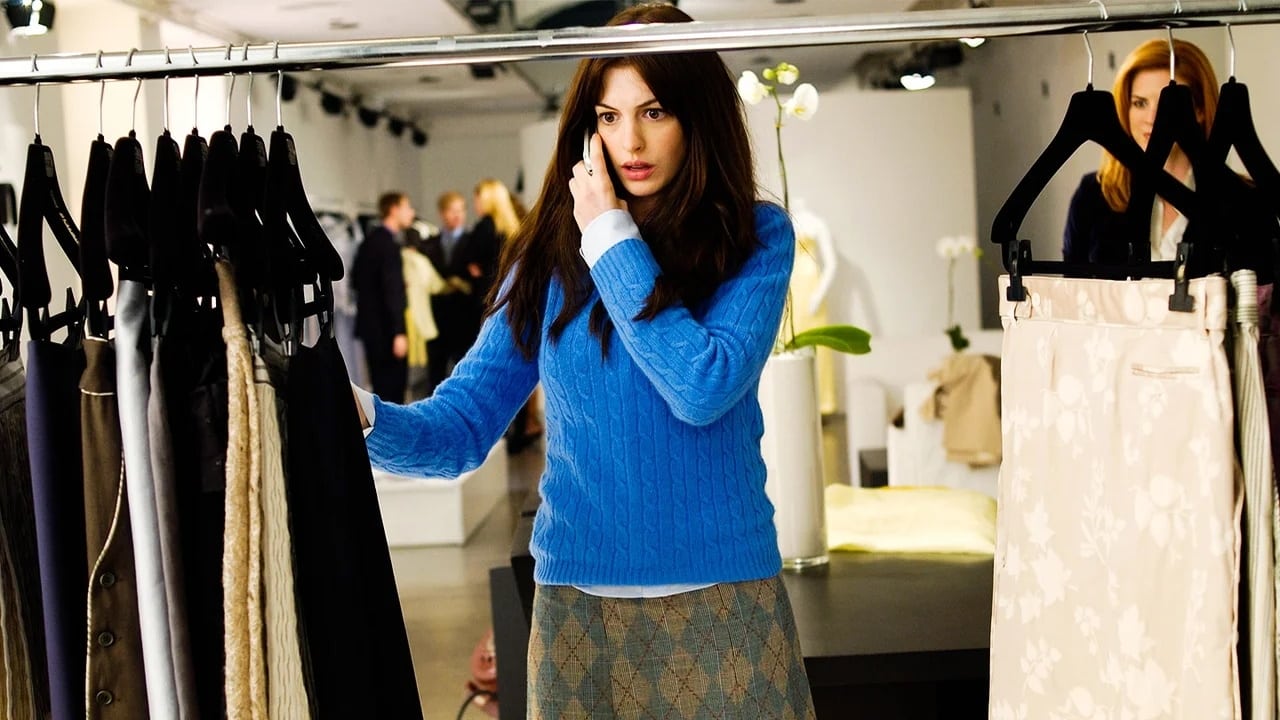
But as great as that all is - and it is great - this isn't to say that the movie isn't without flaws, it certainly isn't. For a story about high art and providing the absolute best in show, the film looks… well… weird? I guess? Florian Ballhaus, the cinematographer of the films predecessor, returns to prove that even the most prestigious of stories, with a cast that is dressed to kill, can be made to look distinctly cheap in what looks to be the latest episode of a Prime original TV series, not a $100 million movie. A consistent trend in this current era of digital filmmaking that devalues the work of the production designers (I'm looking at you Wicked & Wicked: For Good), or in this particular instance, stylists.
The movie is constantly concerned too with sub-plots that ultimately add nothing of value to the overarching narrative at hand. Chief among them, Andy's romance with an Australian real estate contractor played by Patrick Brammall who, though handsome, is as boring a character as he is irrelevant. Miranda's husband Stuart, played by Kenneth Branagh, is similarly hollow - serving no real purpose aside from occasionally telling his wife she's gonna be alright and playing the violin every once in a while. Baffling really. But perhaps the biggest disappointment is Emily Blunt's returning role as Emily, whose material is so thin it wouldn't be a surprise to hear that the character wouldn't have been in the movie at all if not for Blunt's rise to stardom as well as the 'need' to get the band fully back together if the magic of the original is to be recaptured. Often present, but rarely accompanied by any real narrative merit.
Blunt though remains excellent in the role despite what little she is given, whilst Streep, Tucci, and Hathaway too pick up where they left off two decades prior. Whilst new additions Justin Theroux and B.J. Novak proves that the film can actually introduce new characters that are both interesting and serve a purpose. Theroux in particular as a Jeff Bezos-esque tech bro with more money than sense not only provides a striking portrait of the kind of men that are killing the world we once had, but does so in a manner that provides more than a few laughs.
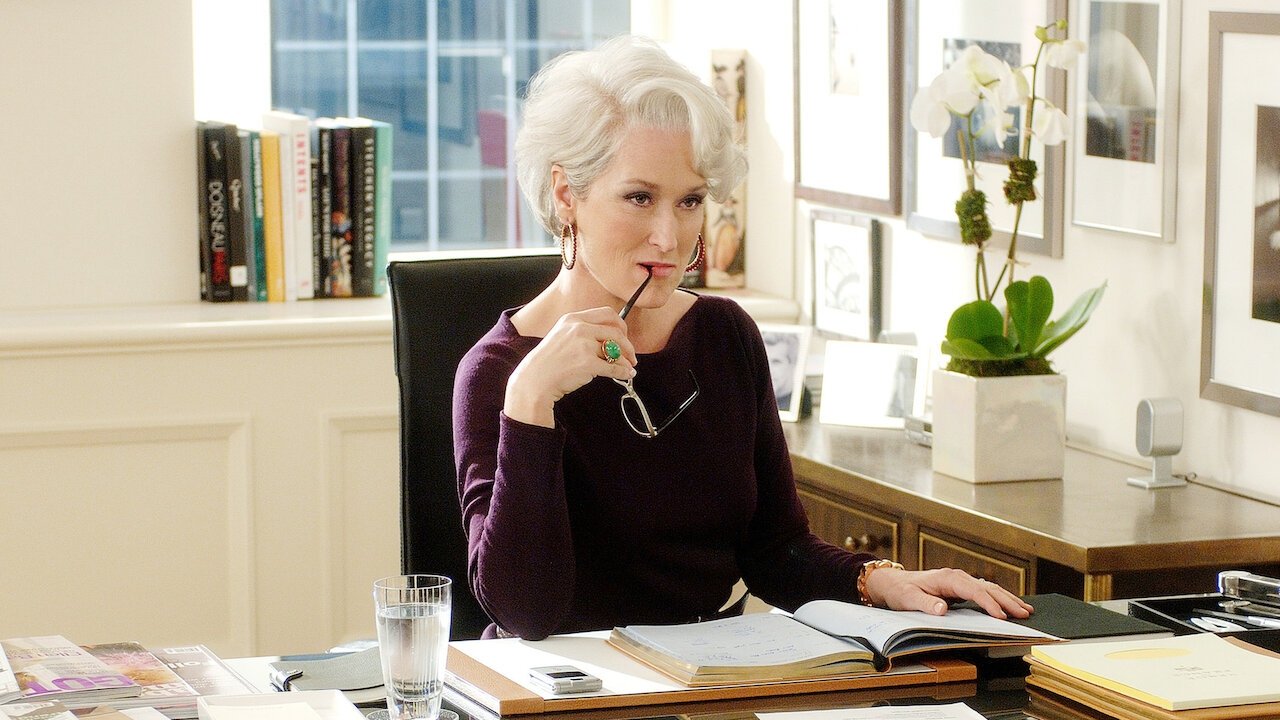
Ultimately, whilst this might not have topped or even met the standards of its iconic precursor, I'm not sure anybody was expecting it to, and it came an awful lot closer than most that attempted that same feat. An admirable effort that deserves to exist, and is certainly worthy of the time of anyone who enjoyed the original.