

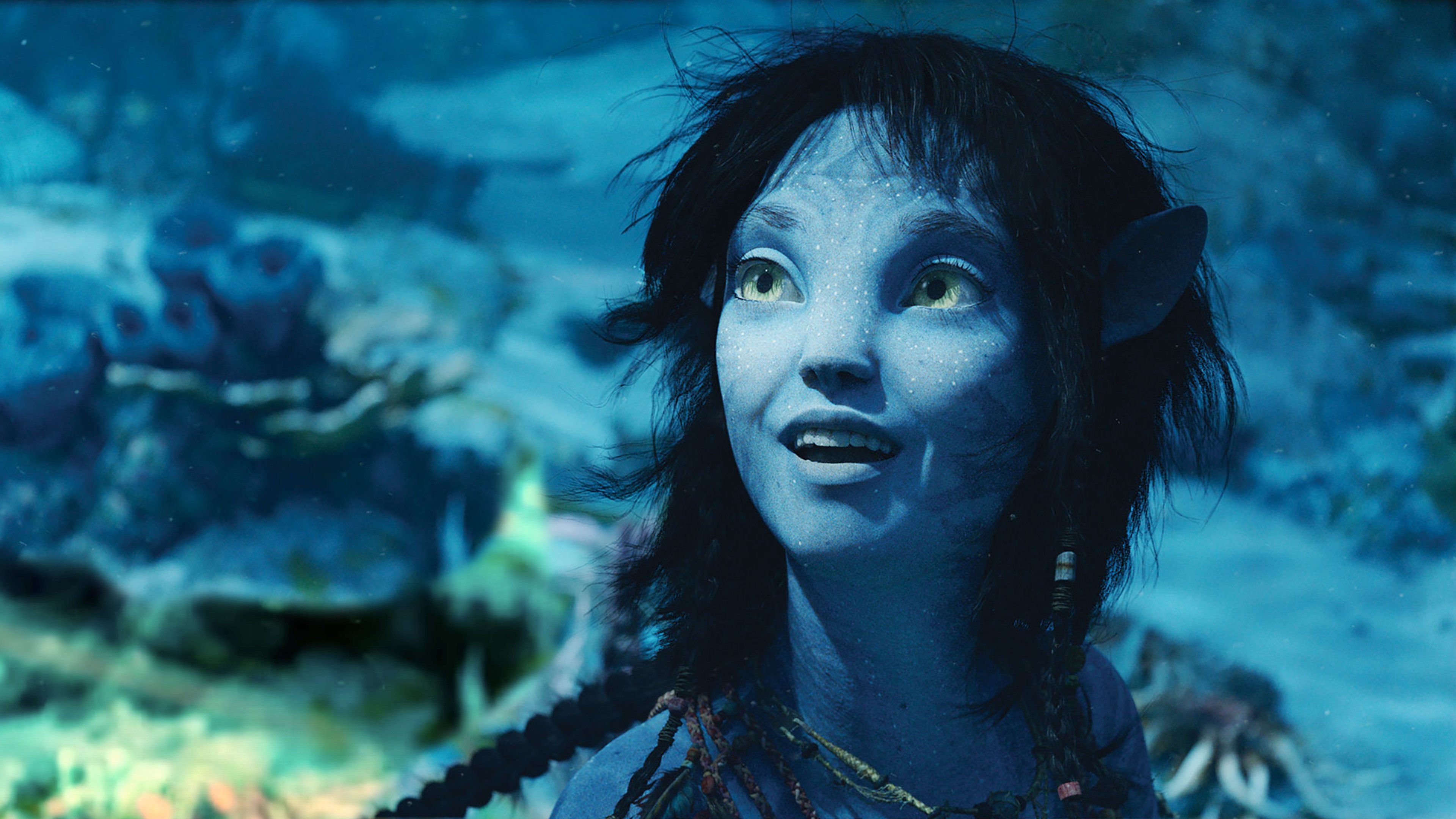
Having, at the time of writing, already grossed over $900 million at the worldwide box office just two weeks after its release, it’s clear that even after 16 years, there’s nothing that gets audiences into theatres quite like James Cameron’s Pandora. However, with the latest instalment, Avatar: Fire and Ash, opening to the poorest critical reception of the series so far — currently sitting at 66% on Rotten Tomatoes compared to the 76% of *Avatar: The Way of Water *and the 81% of Avatar — the question does need to be asked: Does this still work?
Well, if we’re looking at it from a purely commercial standpoint, then the answer is pretty clear. Yes, yes it does. But, as we know, there often isn’t smoke without fire, and for audiences and critics to have responded in as lukewarm a manner as they have, there’s likely a reason for it, so let’s find out why.

Firstly, one of the more common complaints amongst those who have seen the film is that, for the first time, it feels as if perhaps we’re treading familiar ground a little too often. Part of the appeal of these movies is that they offer a spectacle like no other, with Avatar providing audiences in 2009 with an experience that previously seemed inconceivable: an almost entirely digital world that looked and felt every bit as real as the rooms in which they were sitting. As for its sequel, Avatar: The Way of Water, arriving some 13 years later allowed us to miss the world of Pandora and long for its return, meaning that when it did — with all-new and improved technological advancements — that very same magical feeling from 2009 returned in spades. Wowing audiences with its modern mechanics that allowed for an attention to detail that had never been seen before, quite frankly, pushing the medium forward in a way that it had been begging to do so for years.
With the latest chapter coming just three years later, it isn’t hard to see why that usual Avatar wow factor hasn’t quite translated the way it tends to. The digital effects (no matter how impressive they may be) are still fresh in the memory, meaning that, for the first time in the franchise’s history, audiences just simply aren’t seeing anything that they haven’t before. That can certainly be forgiven, however, when what we’re seeing is as beautiful as it is, but what’s a little more difficult to look past is how familiar many of the story beats can feel. Most notably, both of the film’s conclusive acts, which see Colonel Miles Quaritch (played by Stephen Lang) holding members of the Sully family captive on a ship destined for peril, made all the more familiar by the inclusion of the Tulkun in each of the resolutions. If that wasn’t enough, Cameron does seem to have a little bit of a problem with using both Eywa and Kiri to dig himself out of any holes he might have written himself into. Leaning far too heavily into his usage of the Deus ex machina plot device, with Kiri and Eywa more often than not his gateway to doing so, if not the Tulkun.
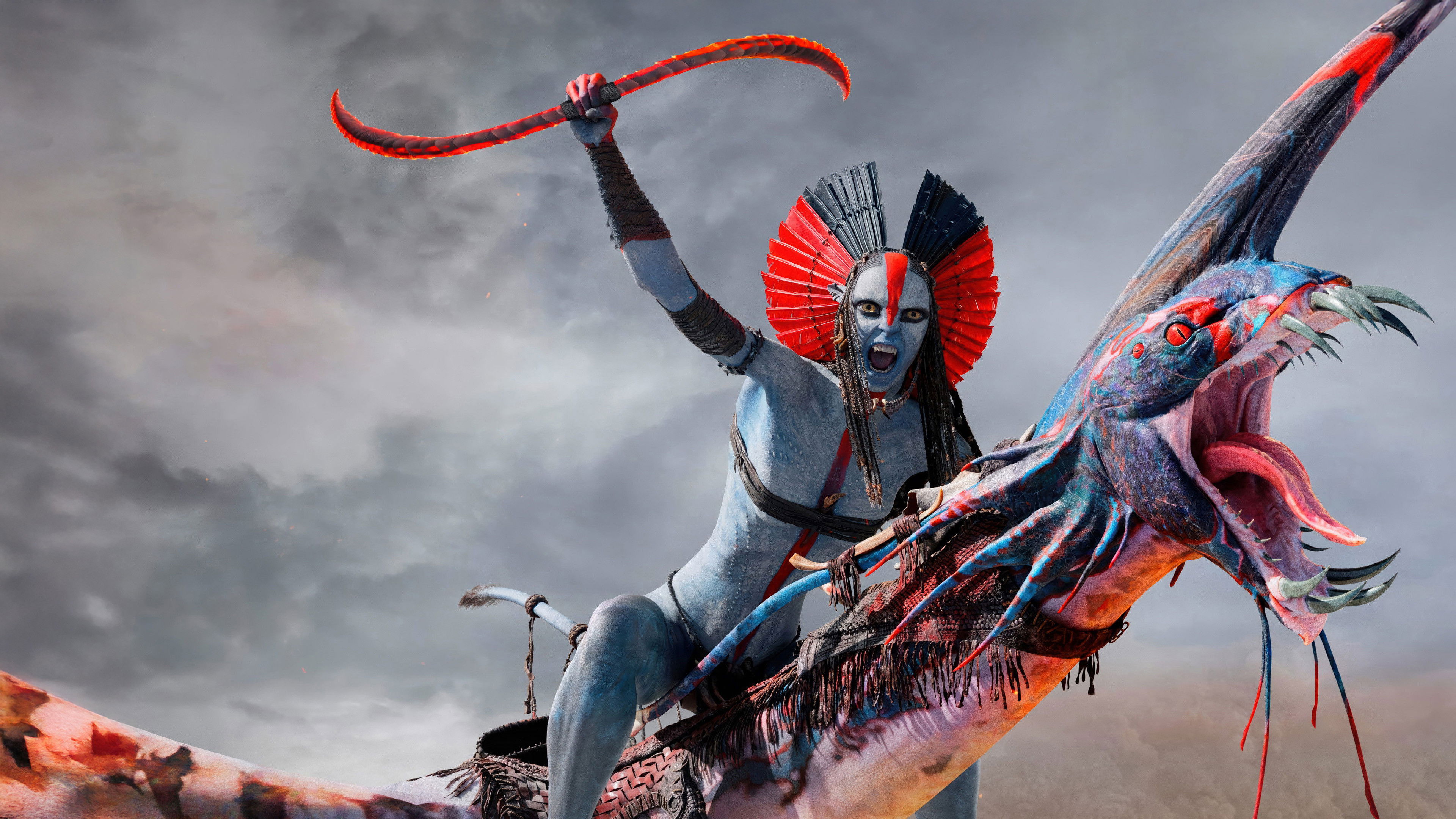
One of the most noteworthy new ideas Cameron does introduce, however, is the fire clan, otherwise known as the Manguan, led by Oona Chaplin’s Varang.
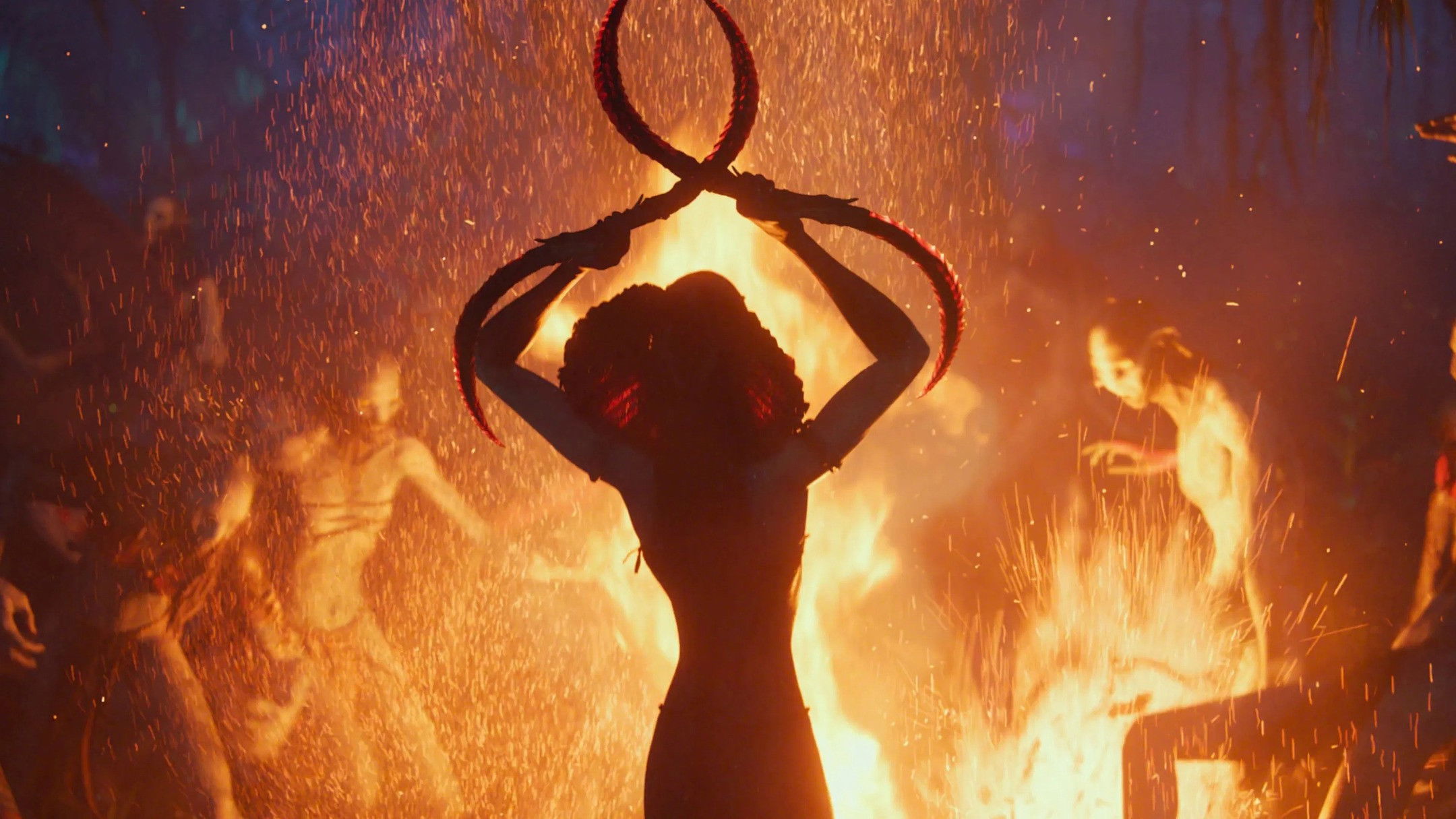
The Manguan and, particularly its central figure, Varang, serve as just about the only new Cameron invention that returns that newfound feeling that each of the previous instalments was littered with. Not only providing us with a much-needed injection of life into the franchise’s villain landscape, but opening up the world of Pandora to the idea of a Na’vi clan who reject the will of the great mother. Perhaps projecting some of Cameron’s thoughts and ideas about the state of the world’s political and spiritual landscape, making the clan one of the few aspects of Avatar: Fire and Ash that doesn’t in some way feel derivative of its predecessors.
It’s exactly this that makes how underexplored the Manguan’s ideologies were so frustrating, with Cameron failing to dig beyond the surface of what could have been a fascinating conversation around faith and unwavering belief in a greater power.
This wouldn’t be the only time the film fails to dive headfirst into its own ideas, either, with an incredible commitment made to committing to absolute nothing of note, choosing the safe option 10 times out of 10. With moments of suicide, child sacrifice, and major deaths all teased, but none of which amount to a moment as heartbreaking or shocking as the death of Neteyam in Avatar: The Way of Water, for instance.
With that all said, the question I propose is: just how much do we really care?
In a similar vein to something like the Mission: Impossible franchise, Avatar is, in many ways, the ultimate ode to filmmaking. The sort of stuff you just can’t quite believe exists, humans pushing themselves beyond imagination to create something totally magical, the kind of thing we all fell in love with cinema for in the first place. That’s not to excuse any of the movie’s faults, and nor is it to say that they aren’t valid criticisms that shouldn’t be taken on board, but what it is to say is that, when considering the spectacle and joy that this franchise still brings, it absolutely does still work and is much needed going forward. Not only as a means to bring general audiences back to the cinema in a time where cinema-going continues to die out, but as a reminder of what studio filmmaking can look like at its absolute peak.
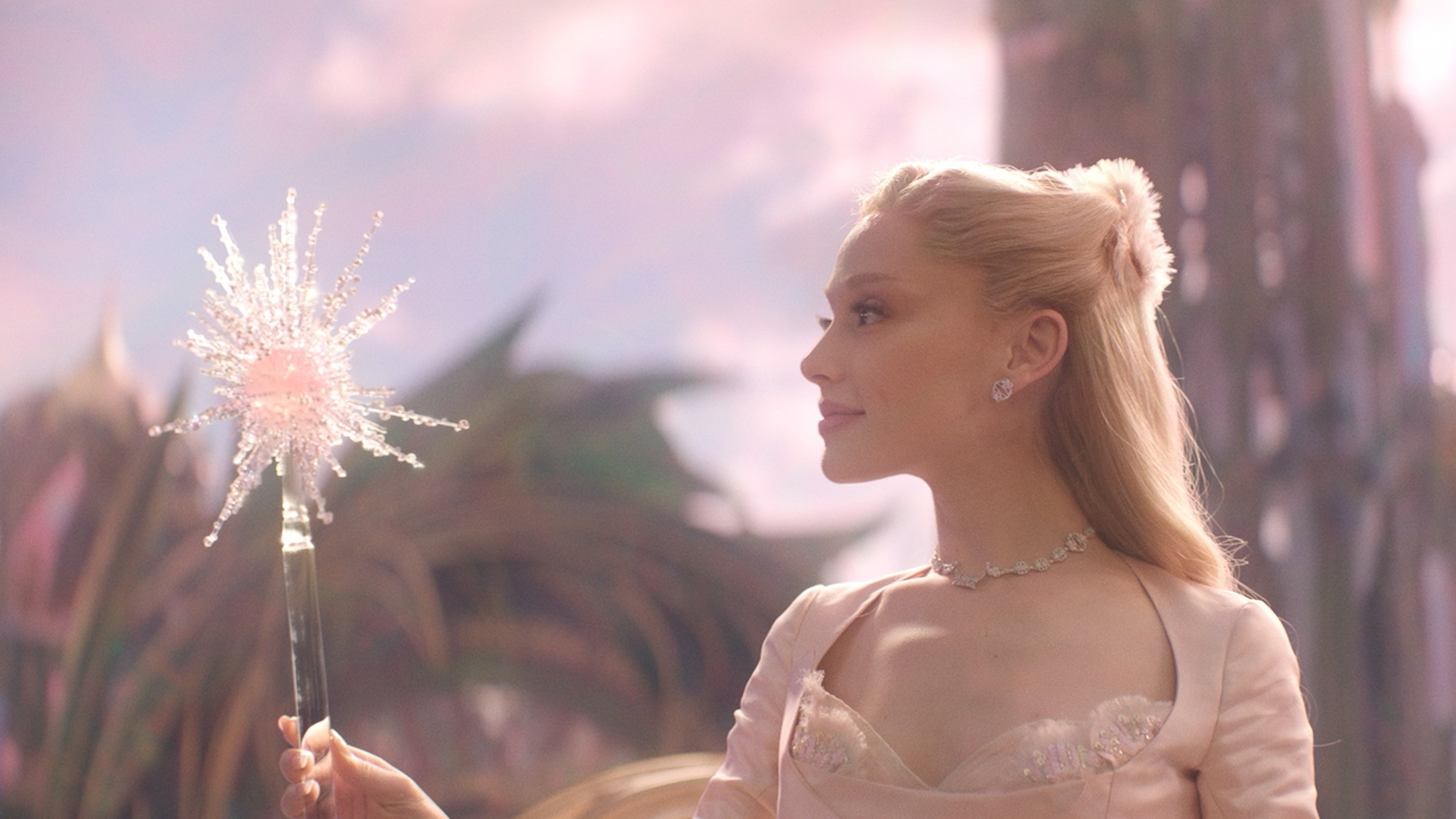
Too often in recent years have we seen major budget productions fail to use their resources to produce anything worthy of the number attached. Taking worlds that should be wholly transportive and like nothing we could otherwise imagine, and making them look closer to a winter night in Portsmouth than that of a dreamland. Cameron, on the other hand, continues to enrapture his loyal audience with a world like no other, a world that, if we’re so lucky, might just stick around for a little while longer.
It’s clear that the market remains open to the continuation of this franchise, and as long as those involved in the creative process are too, then there’s little reason to believe that if they keep making ‘em, we won’t keep watching ‘em. It’s a franchise that comes back around every few years and reminds us all of what humans are capable of, a gorgeously wrapped love letter to art and creativity that truly can never get old. And though they certainly don’t come without their shortcomings, they provide an experience that nothing else has been able to replicate, and for that, these movies stand alone amongst a crowd of pretenders that, as of now, continue to trail behind the beauty of Pandora.