

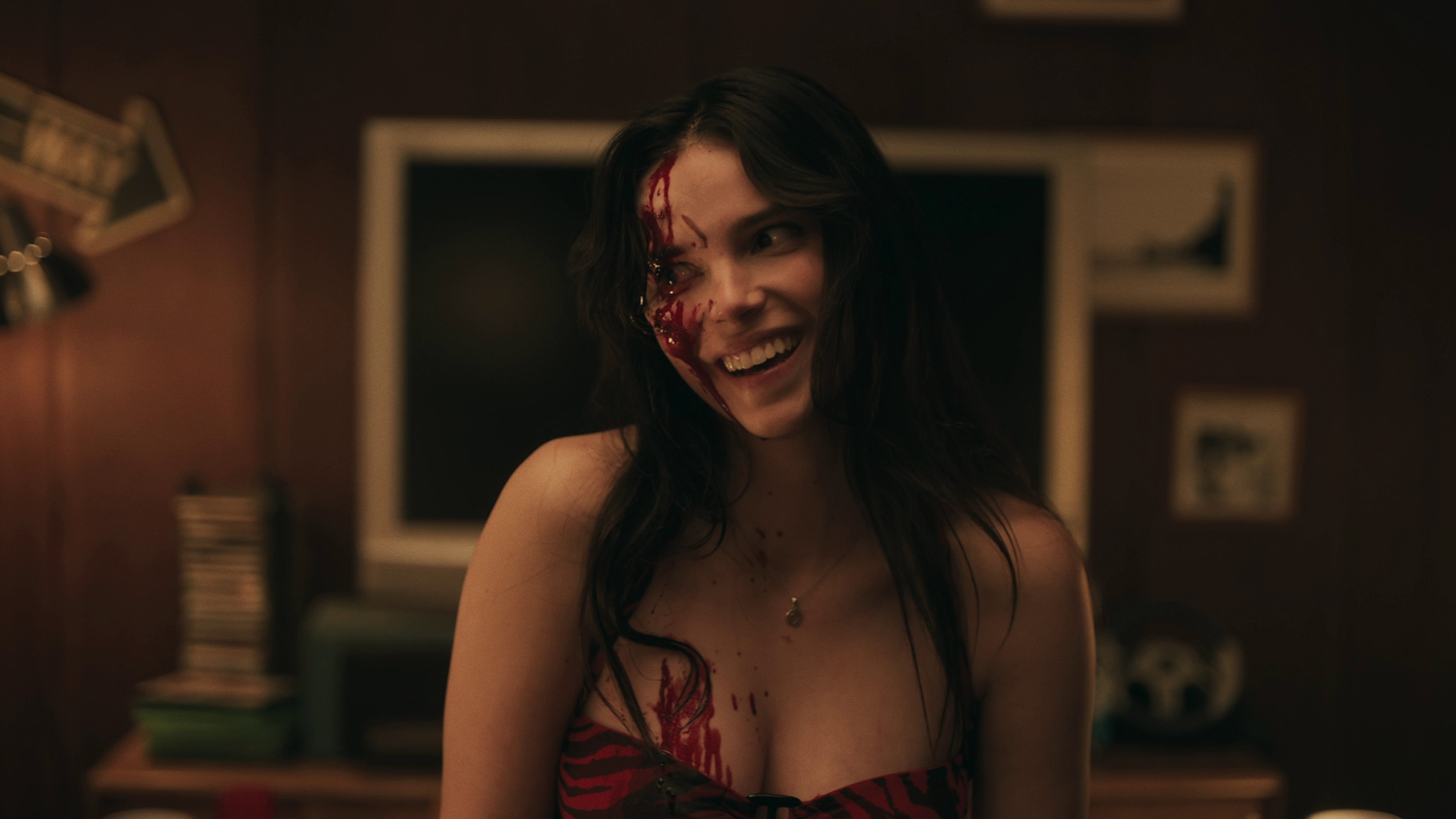
Over the last week or two, you may have seen a few interview clips in which Curry Barker, director of Obsession, coined the 'modern jumpscare'. Rather than going for that quick blast of sound to heighten the audience's senses for a split second, he sits within the uncanny valley, ultimately going for an "I don't like that" reaction.
While this may seem somewhat insignificant, this philosophy has opened my eyes to the resurgence in horror with purpose in recent years. Of course,Obsession is by no means the first to do this; we saw this feeling of familiarity yet alienness in Coralie Fargeat's The Substance, mostly within its set design. However, it seems that, rather than simply looking for something to scare them, audiences have started to turn to horror for real thematic substance - forgive the pun - and thought-provoking work, leading slashers and former 'horror icons' to slowly phase out.
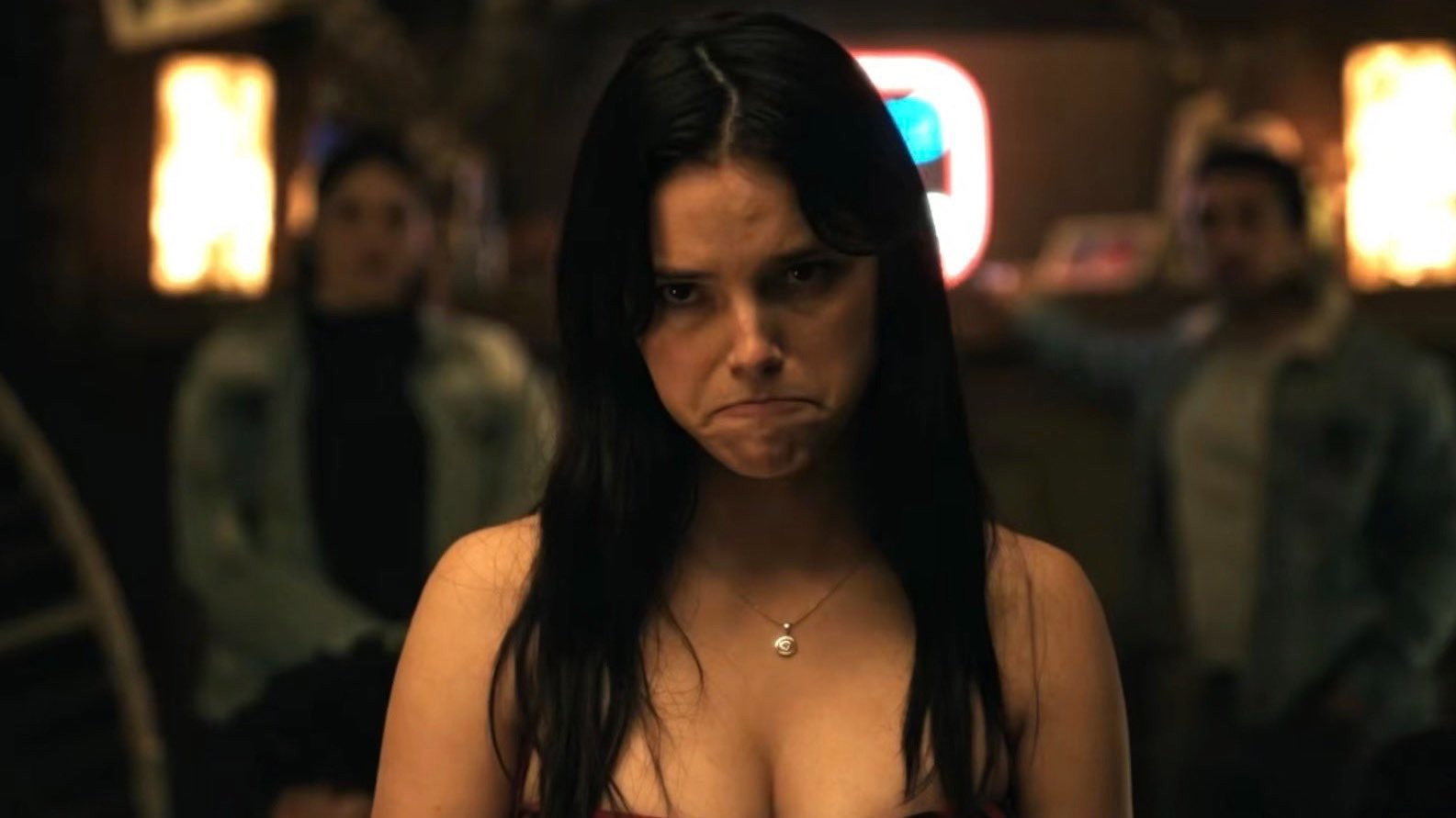
Think of any iconic horror character within the last 50 or so years. Chances are you said Jason Vorhees, Chucky, Freddy Krueger, Ghostface, or one of the many other slasher characters. Now, think of a horror icon from the last 10 years. Is that character from a slasher? Unless you said Ghostface again, the answer was likely a no. Even if you did answer Ghostface, how many more movies do you think they'll give Scream, realistically? I give it two at the maximum. Of course, we've seen horror with substance long before 10 years ago, and there'll always be anomalies on each side, but horror has seen a great rise in thought-provoking, genre-pushing ideas in recent times, leaving the - often homogenous - slashers in the dust.
So it doesn't seem like I'm just attacking slashers, I'd like to bring your attention to two horror movies, both with purpose, yet with varying degrees of success. These are 2024's The Substance and 2022's Smile. I know this may seem like an unfair comparison, The Substance was the 7th horror nominated for Best Picture, but they both reside in the same categories. They are both body horror, which is often hard to get right, and are both loved by some - even if that 'some' is much larger with The Substance. As you can probably already tell, I am not a fan of Smile, but I know many people are, and I believe I know why.
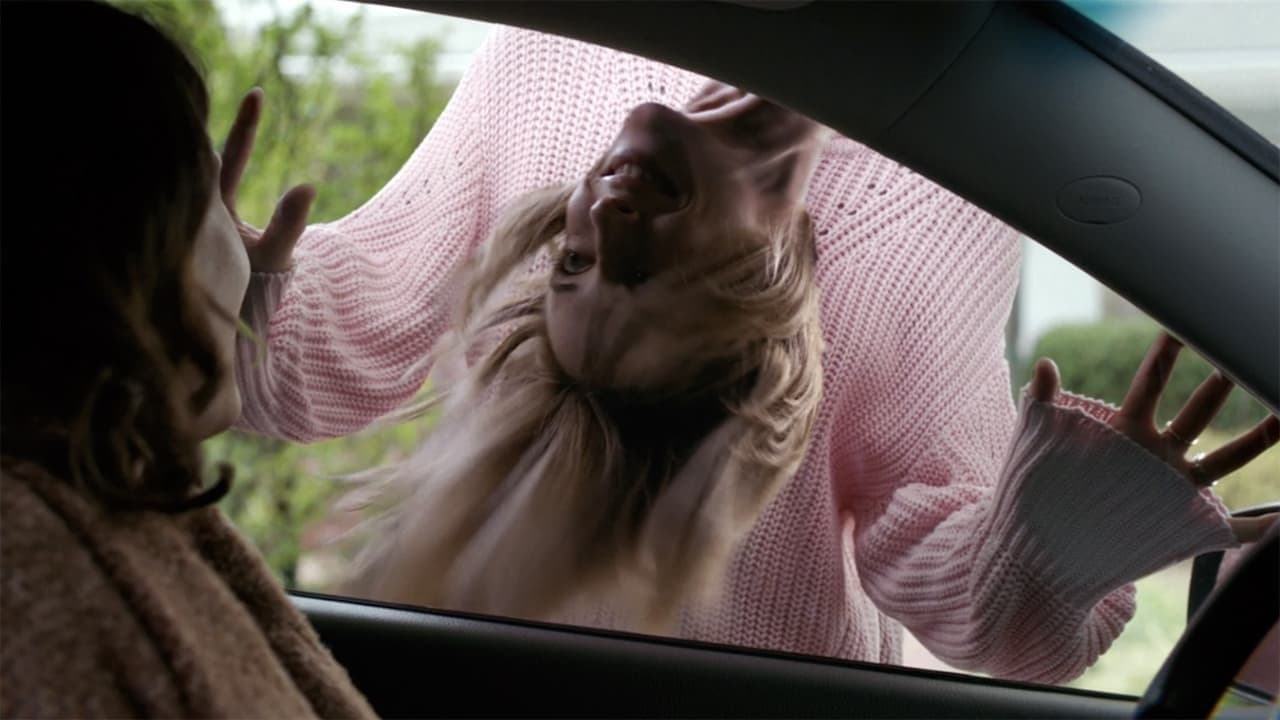
Smile exists to scare you. While it does contain hard-hitting themes of psychological trauma throughout, it never strays from trying to make you jump. This is likely why it has a large audience - and why it received a sequel and an upcoming third film - as many still walk into horror movies with a very binary mindset: if this scares me, it's good, and if it doesn't, it's bad. While this can be an okay mindset for some, slightly more vapid horror movies, the genre is always being pushed and has quickly become one of the most vast genres in recent film, making this philosophy quite reductive.
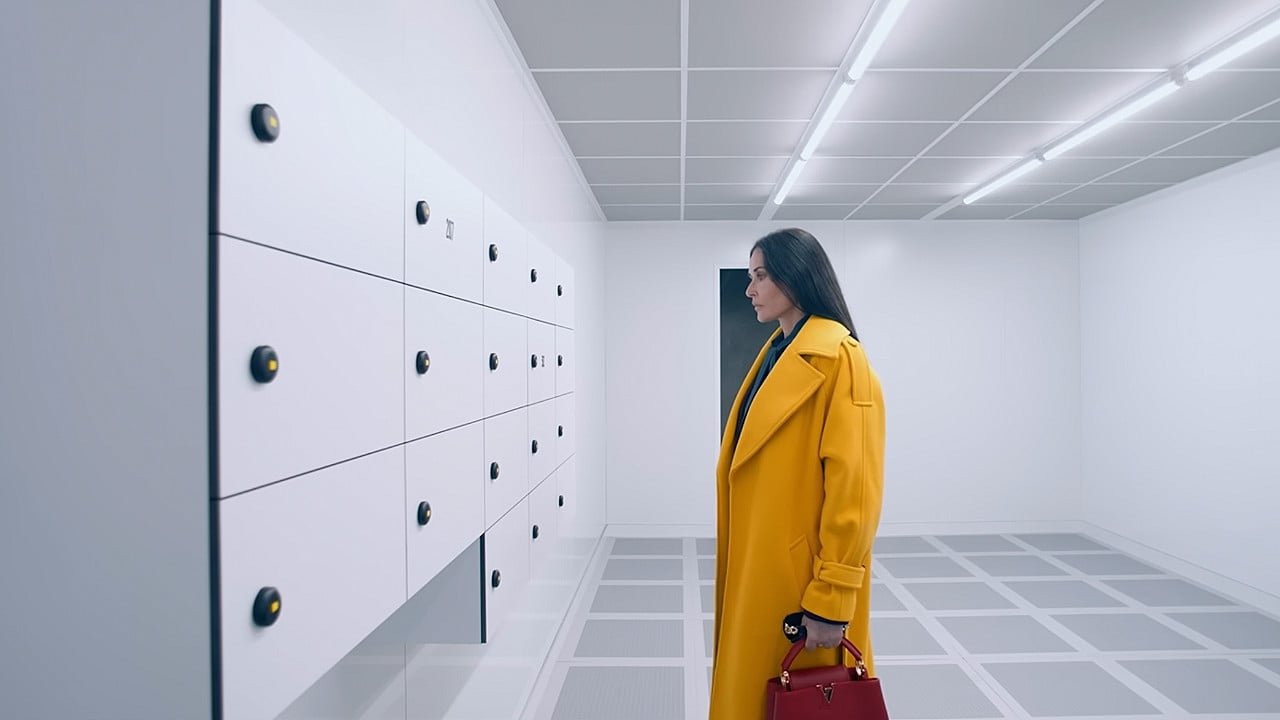
The Substance doesn't worry itself with causing you fear. This movie brings attention to a very fearful topic for women in any business, which naturally lends itself to horror. There's no need to add any jump scares to this subject matter, as it's making you ponder the world we live in rather than scaring you. As I mentioned earlier, this movie's 'horror' comes mostly from its set design. You see this dark, dingy alleyway as the entrance to a completely white room filled with numbered lockers, and it gives you that natural feeling of unease, without any horror whatsoever.
How is this all relevant? Well, Hollywood seems to be finally trusting in horror to bring more to the table than simple scares and jumps, and most are taking that to its extreme, almost always bringing results. Horror no longer needs to scare you to be good; it can simply create any feeling of distaste or unease. This all brings me back to Curry Barker's "modern jumpscare". The jump scare is something that has persisted throughout the horror genre ever since its creation, with 1942's Cat People often being credited as the first. There have always been trends within any genre, horror having many from the supernatural Dracula and Frankenstein monster movies in the '30s and '40s to slashers in the '70s, '80s, and '90s - with jump scares persisting throughout them all.
This horror staple - while it may still work for some - has turned from a quick way to give the audience a fleeting scare to something that they've come to despise, often annoying them more than it ever scares. Curry Barker leading the change in this age-old tradition of jump scares with Obsession really shows how much the horror genre has been changing in the last few years, and will continue to change for years to come. What used to be 'enough' for audiences is quickly becoming too little, with them now looking for so much more purpose and substance in their media.
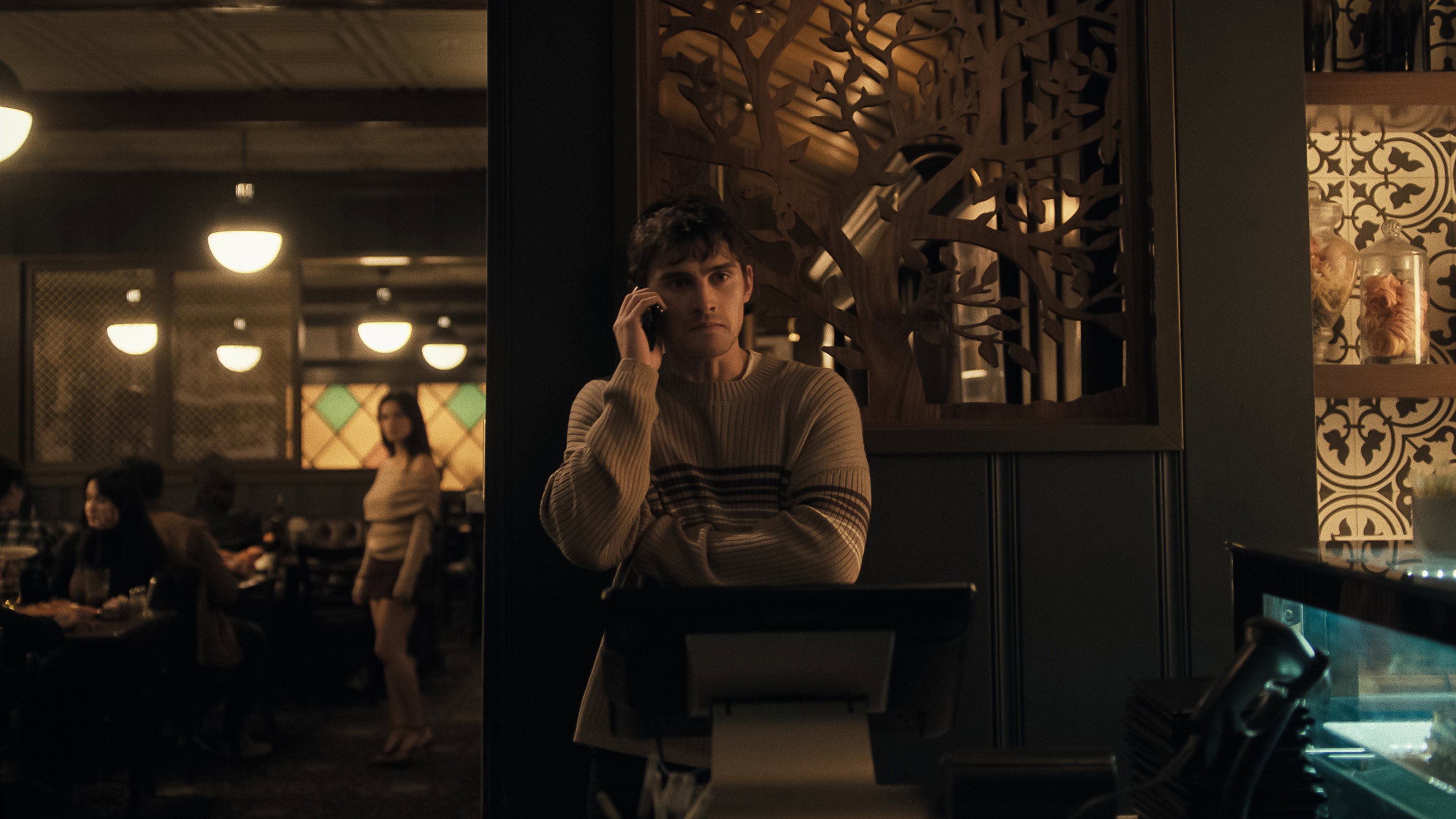
It may seem like I'm blowing Obsession's impact way out of proportion, however its important to remember this isn't alone in its uncanny valley 'jump scares' - with Kane Parsons' Backrooms releasing at the end of this month, a movie which holds its main purpose and story within this feeling. Backrooms has been receiving raving reviews from critics, which I don't doubt - along with the wild success of Obsession - will attract many studios' attention to the 'modern jumpscare'.
By no means do I think Obsession will cause an overnight change in how we view horror or how it's made, we'll still see the orthodox jump scares just as rampant as they have been, and plenty more vapid horror, but no part of me thinks we aren't seeing a change in what audiences are looking for. Gone are the days of people walking into the cinema to turn their brain off, and I, for one, am excited to see the future of horror, led by Curry Barker, Kane Parsons, and many more like them.
No AI was used in writing this article.