

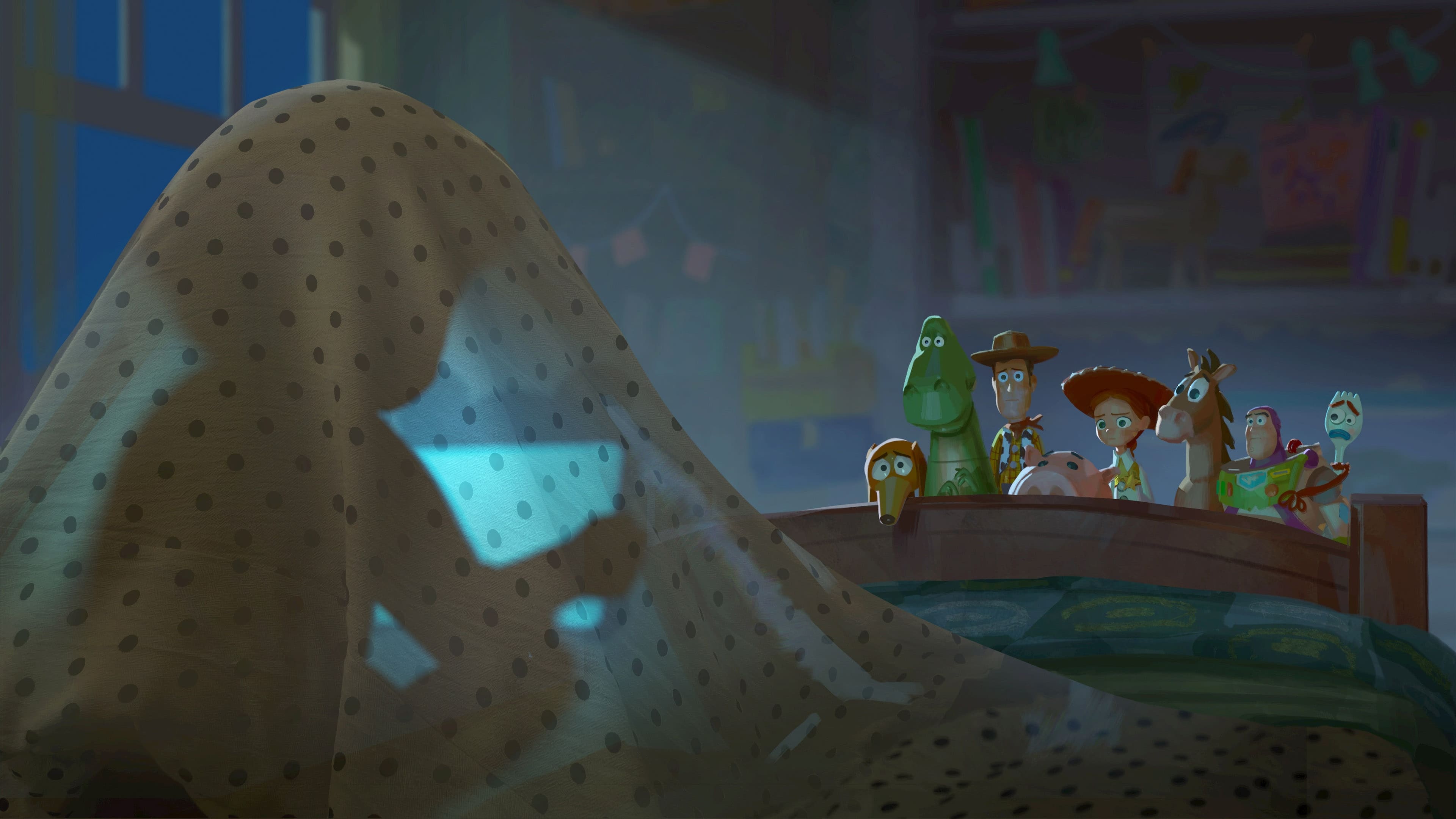
After the profitable, yet somewhat mediocre box office, that is Hoppers, Pixar returns for its second feature of 2026. The question on everybody's mind is: Is this simply a cash grab? My answer would be, partially. Pixar's roadmap includes one original movie a year, alongside a flurry of sequels, in order to recoup any money they may have lost in creating those originals. On one hand, this seems like a great idea; it allows Pixar to take more chances with original ideas without worrying about a possible loss in profits. However, some may see this as causing every subsequent sequel to feel soulless and only created in pursuit of a large box office, which is likely very true, but in the case of Toy Story 5, I don't believe that's the case - at least not entirely.
My biggest concern when going into this movie was: Does this justify its existence? That's mostly due to the largest complaint with Toy Story 4 being that it didn't feel as if it did. That's partially due to Toy Story 3 bringing the franchise to what seemed like its organic close, but also because it didn't have too much to say, on the human end. At this point, Pandora's Box is open, and the argument of any 'organic close' can't really be used anymore; that ship has very much sailed. However, I think Toy Story 5 does justify its existence simply because it has something to say. There really aren't many parts of this movie that make it feel like a soulless cash grab, intent on giving Pixar another billion-dollar paycheck - even though there are definitely a few moments.

The main reason I think this justifies its own existence is that it feels like the most modern and relevant movie of the Toy Story franchise, except maybe the first. The first movie was about friendship and how to build true, long-lasting relationships through acceptance and loyalty. Toy Story 2 shows us that it's better to love, even if that may be temporary and risks heartbreak, than to avoid any connection out of fear of that loss. Toy Story 3 tells us that to truly love and grow, you have to know when to let go. Toy Story 4 ends up giving us that same moral, but on the toy end. While this can be applied to the audience that may have grown up with the original, it came out about 10 years too late. For anybody who may have seen the first when it was originally released, Toy Story 4 would have come out when they were far into adulthood, and so would have already learned these lessons, either from life or even from Toy Story 3.
I say all this to say that Toy Story 5 brings it back to the children, the real core of this franchise from the start, rather than trying to cater to the audience from that first movie, who have now grown up. Where this franchise should always be the most relevant is with children, and it felt as if that was missed in the last movie. However, this story of the blight of technology on not only children but people of all ages is such an important one, which is handled amazingly. At first, it seems as if this will take a stance completely and utterly against technology, yet it manages to create a balance nearer to the end. One thing I'm very glad of is that this does acknowledge the place that technology can have alongside human connection, while making it abundantly clear that it can never and shouldn't outright replace it.
Essentially, they display the way that people, particularly children, are able to get sucked in and become so addicted to technology, without trying to say that all technology should be eradicated, because that is just unrealistic. While yes, it can be a roadblock for human connection, there's a balance that can be made, which is shown, in a very idealistic manner, within this movie.

There's a beautiful B-plot within this of Jessie desperately trying to keep Bonnie's attention, not for the sake of Bonnie's wellbeing, but for her own selfish fear of being left behind once again. I love this subplot as it doesn't just reaffirm the importance of toys in a child's life and development, but also the impact they can have on them in their adult life - like in Emily's case.
One thing I love about this movie is that it doesn't only target children. The subject of phone and technology addiction is always so focused on children that it's sometimes hard to realise that this is a problem that spans almost every living generation. Even though children are still the main focus within this movie, we also see how parents can get just as addicted to these screens as their children, to the point where the toys don't even bother hiding anymore because they won't be noticed anyway. This adds a really interesting layer to say that this addiction isn't unique to children and teens, but can often be somewhat taught. When Bonnie sees that her parents are coming home and staring at their phones all day, she won't choose to put her Lilypad down.
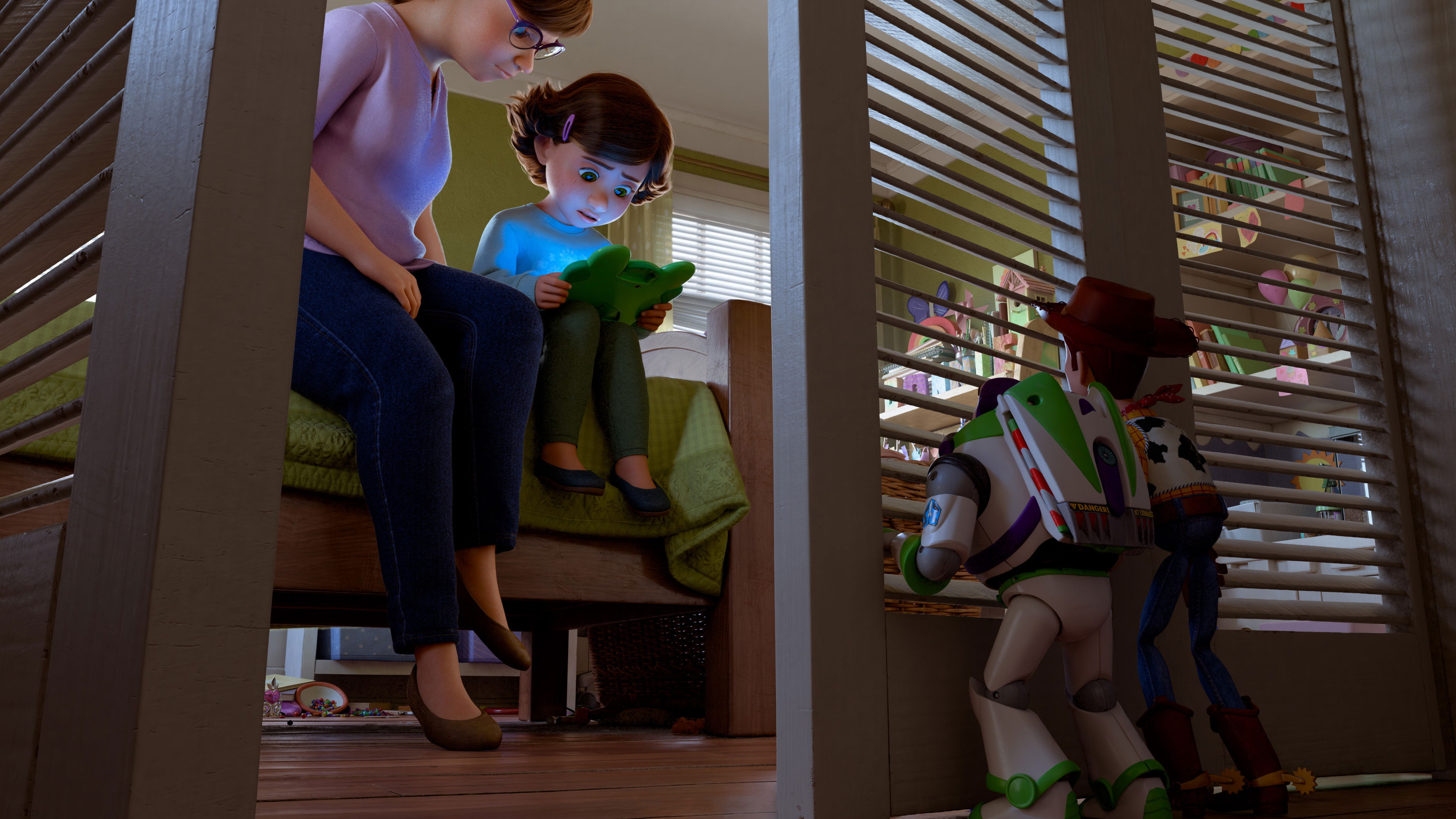
Now for some of the negatives, which I don't believe there are many. First off, I felt as if a lot of the Buzz-Woody dynamic just dragged along and felt quite derivative of previous instalments, at times. I think this movie could've been just as good, possibly even better, if their childish squabbling that was used in previous movies as a roadblock that they'd get over and become closer because of, was taken out almost completely. Of course, they still need a few moments of this as it's a staple of the franchise; however, it just felt like nostalgia bait to simply remind the audience of the last few movies. This never moved the story forward or contributed to the final moral, but instead halted it for a moment.
While Lilypad was definitely one of the weaker Toy Story antagonists, compared to the terrors of Lotso and Stinky Pete, she often served a greater purpose than being villainous. I think a lot of what made her not feel quite as villainous was how multifaceted she was, in the sense of wanting Bonnie to be happy. She did, essentially, have the same objective as the toys in some way: to help Bonnie make friends. However, Lilypad went about this objective in the wrong way, ultimately pushing Bonnie away from any prospective friends, which she only realised near the end.
To conclude, while this was by no means the best Toy Story instalment, it served a beautiful purpose that I'm sure will push positive change in many children's and adults' relationships with technology. All I hope is that they don't end up making a Toy Story 6 when this inevitably does well at the box office.
No AI was used in writing this article.