

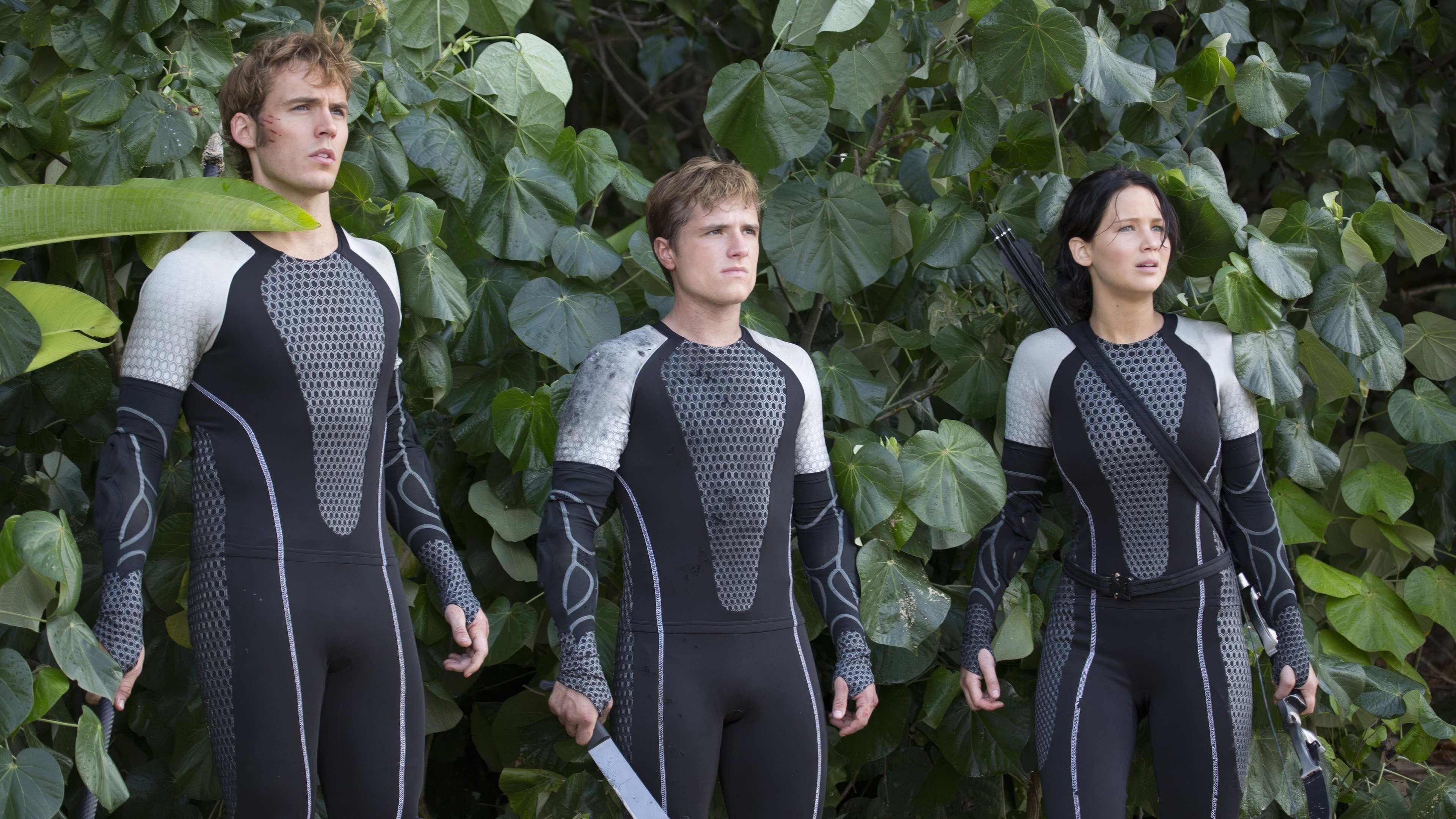
The Hunger Games is a franchise which has long stood as the benchmark for dystopia, both in film and novel form. This concept has spawned five books and now six movies, displaying the beginning of a rebellion better than anybody has managed to do since. With the recent release of Sunrise on the Reaping - following the games of a character we so dearly love, Haymitch Abernathy - there’s a single question on everybody’s mind: is this good enough to stand with its peers? Here’s where it stands for us, as well as our full ranking of the entire saga.
6. The Hunger Games: Sunrise on The Reaping (2026)
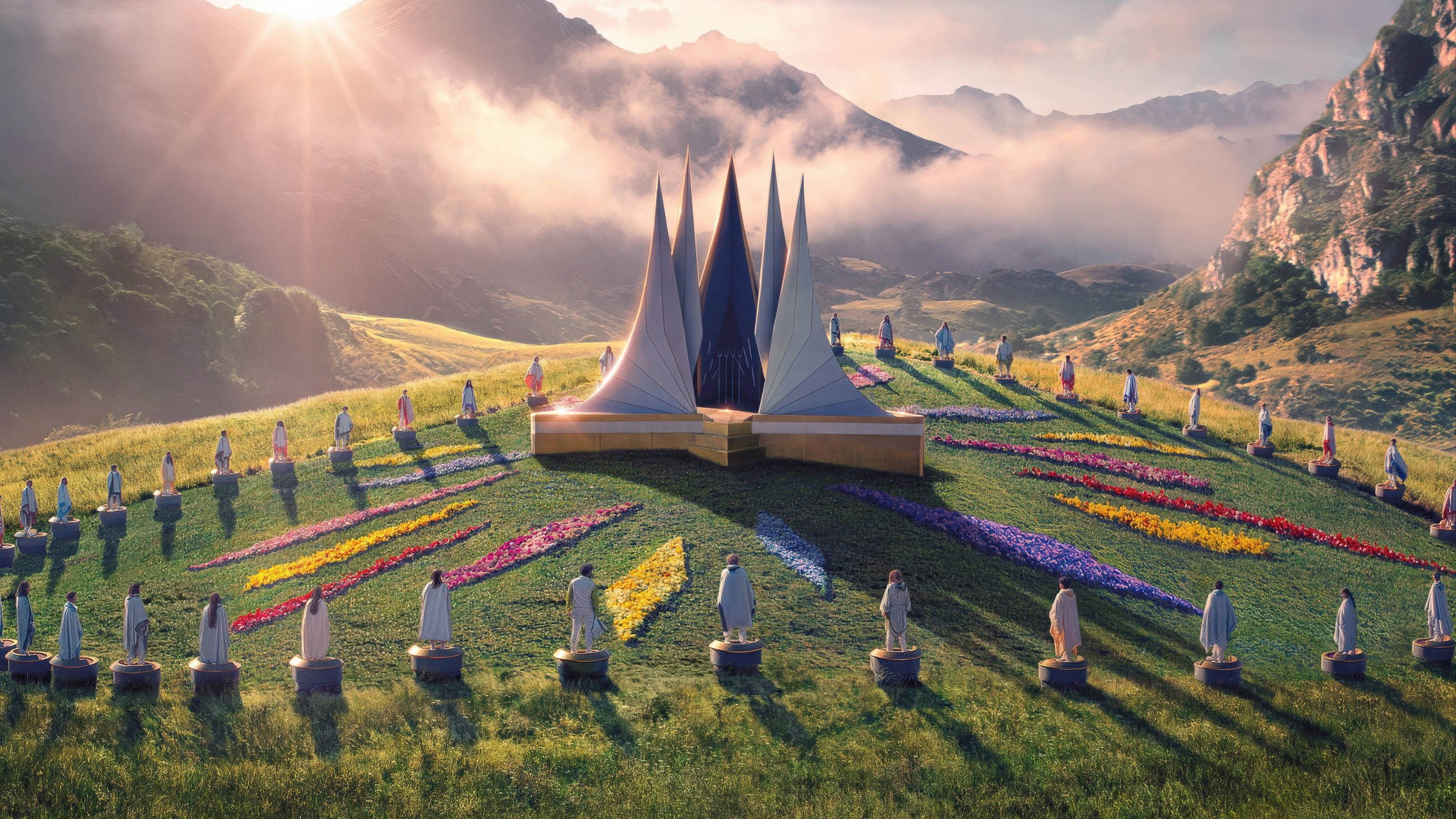
It really breaks my heart to put Sunrise on the Reaping so low; I was hoping this would pull through. Unfortunately, this isn’t nearly as exciting or gripping as the rest of the franchise. There are a few interesting points raised, though much of it is either underdeveloped or snuffed out by the many negatives that you can label it with.
There are a few real standouts here, such as Kieran Culkin and our star, Joseph Zada; however, that seemed to be what this mostly relied on, aside from nostalgia for the rest of the franchise. Many parts of this felt included solely for an audience member to point at the screen and exclaim, “I know them”. Characters like Effie, Mags, and Wiress only existed in this story to remind you of a much better visit to Panem. Additionally, the mention of Lucy Gray, Effie’s comment on mahogany, and a newborn Katniss Everdeen only furthered this theory. Simply, it seemed this wasn’t trusted to hold up alone, and thought its audience to be stupid - there’s no other explanation.
Joseph Zada holds this up by himself for the majority of the runtime, that being during the games. However, many emotional beats were made somewhat meaningless due to them all being met with the same reaction; that is, Haymitch screaming and pleading with the Capitol. Even Ampert’s death - meant to be Haymitch’s ‘Rue moment’ - held no weight for containing that exact same reaction before moving on and forgetting him entirely - not to mention the lack of any blood whatsoever from anybody.
For all my critiques, and believe me there are many, I did still very much enjoy Sunrise on the Reaping. There is a lot to love, specifically in Kieran Culkin’s Caesar Flickerman, and this does give an interesting look into what caused Haymitch the emotional turmoil he constantly suffers from. There is some amazing production design and some great action sequences. I just hope this is the final time we return to Panem, for the sake of the franchise.
Read our full review here: Beating a Dying Horse - The Hunger Games: Sunrise on The Reaping Review
5. The Hunger Games: Mockingjay - Part 1 (2014)
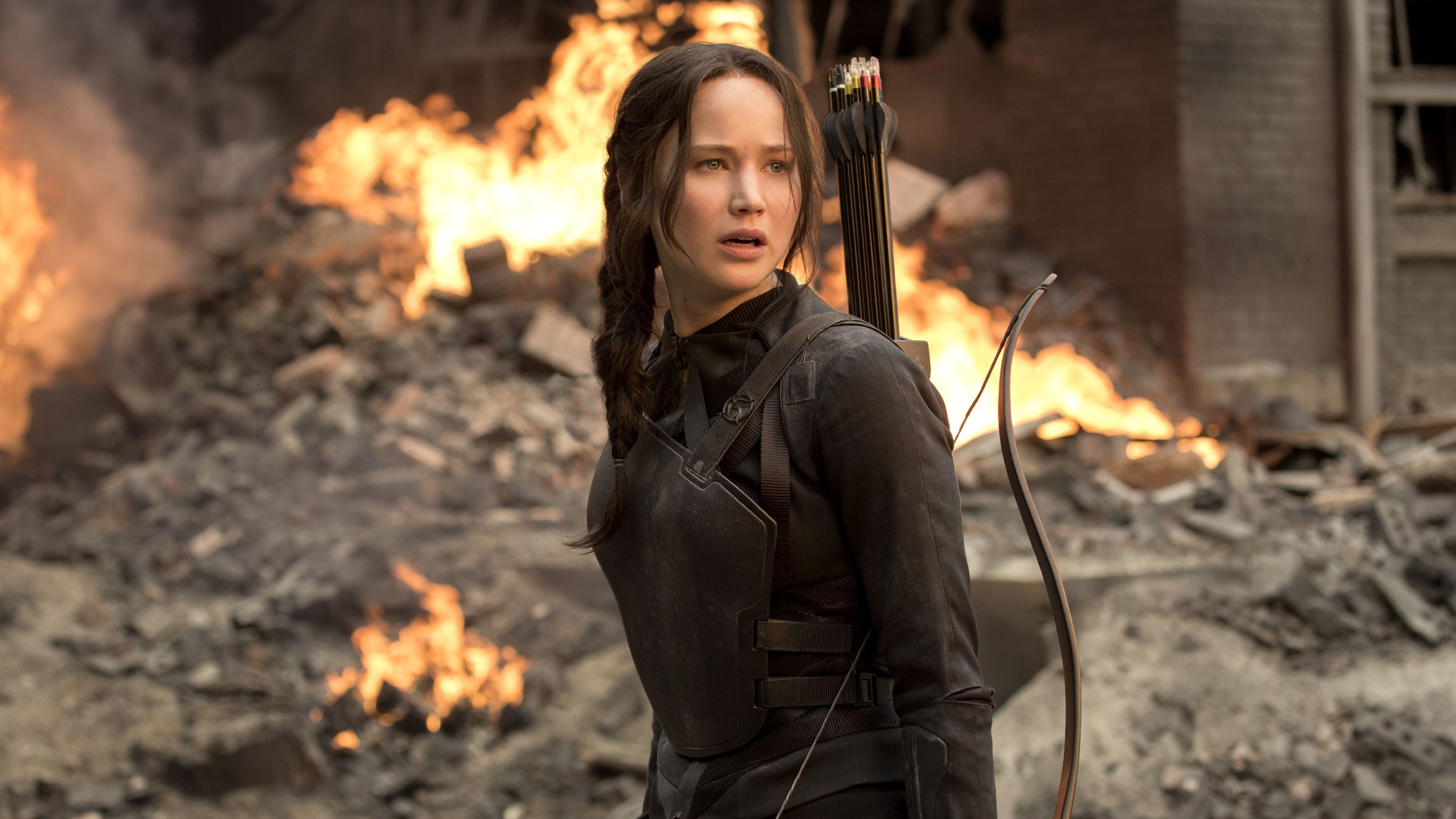
Even though Mockingjay Part 1 is easily the worst of the original saga, by no means would I consider this a bad movie. In fact, at times I’d even say this is pretty great. Unfortunately, this is essentially the bridging point between two much more interesting parts of this overarching story - the games and the height of the revolution. Everything here is necessary, and usually quite interesting, though it’s all much less exciting to watch than any other.
This is all quite a slow burn, one that doesn’t even get any payoff whatsoever in this movie. I have the same critique that many have for Spider-Man: Across the Spider-Verse: that it feels too much like a part 1 and can’t seem to stand alone quite as well. This includes very little of what many, including me, fell in love with this franchise for, though it develops the story's themes in such an incredible way. This shows a side to the rebellion that is rarely displayed, that of psychological warfare and the making of propaganda. On the other hand, there’s a good reason why it’s rarely shown, because it simply isn’t what people care to see.
We see the false making of a martyr in an amazingly powerful way in this, creating a narrative around Katniss which doesn’t reflect her own ideals or personality in any real way, beyond the vague. This is something that’s expanded upon in a big way in Mockingjay Part 2, and is done much better in that - unfortunately, it seems that can be a common complaint for many things here.
One thing that really stood out to me upon rewatch is Julianne Moore’s incredibly nuanced performance as President Coin. This is a performance, the nuances of which are only truly made obvious after watching Mockingjay Part 2, of a courageous leader of the rebellion with a mysterious and well-hidden side that is only slightly present here - in a few fringe mannerisms.
4. The Hunger Games: Mockingjay - Part 2 (2015)
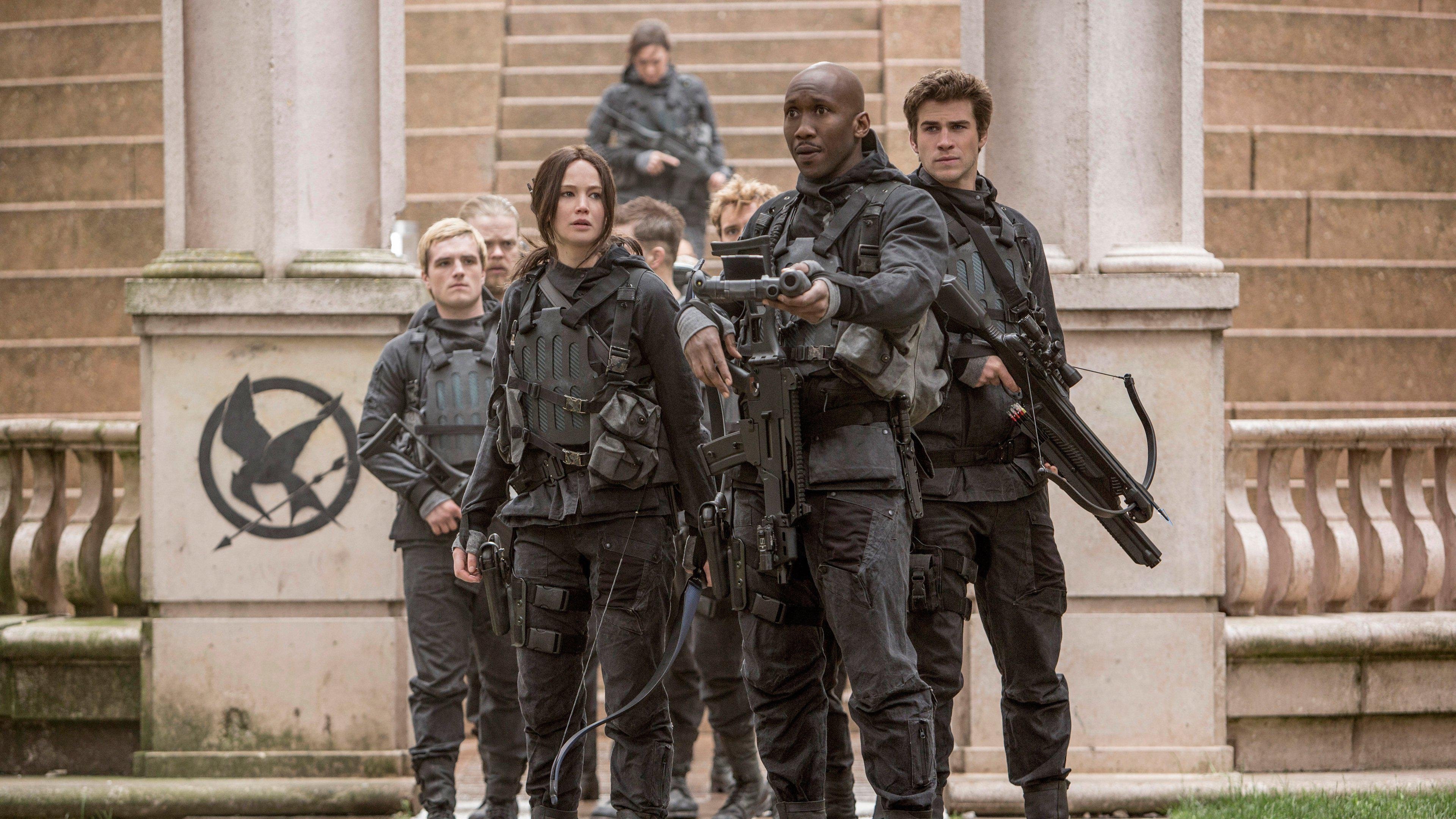
To be honest, I found this a much more captivating end to the franchise than I remember, not only in its final moments but throughout the entire experience, following the ‘76th Hunger Games’. I used to feel a much bigger gap between this and the ones above, though that has since decreased by a large margin.
Mockingjay Part 2 is also quite a slow burn, though it includes plenty of what fans love, as well as keeping it within the confines of the rebellion. For the majority of the movie, we follow Katniss, Finnick, a recently unhypnotised Peeta, and their film crew as they explore the Capitol and discover the true extent of Snow’s ruthlessness in the face of overthrow. This is all something that I found a new adoration for, this time around. Josh Hutcherson also plays his limited role with incredible poise, portraying Peeta’s inner turmoil that he experiences as he attempts to figure out his own reality in such an interesting way.
Just like its predecessor, this does trudge along at moments, specifically while our main characters slowly travel around the destroyed Capitol, evading traps on their way, and does make the movie feel much longer than any of the others, despite being one of the shortest. There’s a lot of slow-burning, though it’s all done much better than the last movie, likely helped by it simply being a much more interesting burn and finally reaching that climax we’d been waiting for.
I always love to see President Snow clambering for any power he possibly can as it all slips away, and Mockingjay Part 2 has that in spades. This shows both Donald Sutherland’s masterful work in this saga and exposes Snow’s pitiful villainy in such a concise and compelling way. On the other hand, I love to see the slow realisation that the entire last four hours of The Hunger Games movies were all part of Coin’s plan to usurp Snow’s power, rather than dismantle his dictatorship, all of which is broken down by a single arrow, placed by Coin’s own feeling of invincibility.
3. The Hunger Games: The Ballad of Songbirds and Snakes (2023)

This is a Hunger Games origin that I can get behind, mostly because it looks at the games in a much different way than anything before or after it. Not only do we see these horrors from the point of view of the Capitol, but from Coriolanus Snow himself - as well as seeing how he became the man he is 64 years later.
The games themselves finish halfway through because this isn’t even truly about them. Instead, this slowly turns Snow from a good man to the paranoid monster he is by the end, all through a twisted love story with a girl from the depths of Panem. All of this is played out in such an incredibly nuanced way from Tom Blyth, making for a perfectly seamless transition into who he becomes that you don’t fully realise until the final moments.
The games, even though they don’t take up too much of the runtime, really aren’t very interesting to watch. It makes sense that they aren’t - the Capitol was still somewhat figuring out the logistics, and this is nowhere near the spectacle it’s meant to be in the present - though I simply didn’t care to watch them, rather being much more intrigued by the goings-on outside of the arena.
This movie really does drag slightly, especially with much of the second act following our main characters as they meander around District 12. Even though this is all necessary to Snow’s development - and his relationship with Lucy Gray - it's simply the most boring part of an otherwise really quite compelling story.
2. The Hunger Games (2012)
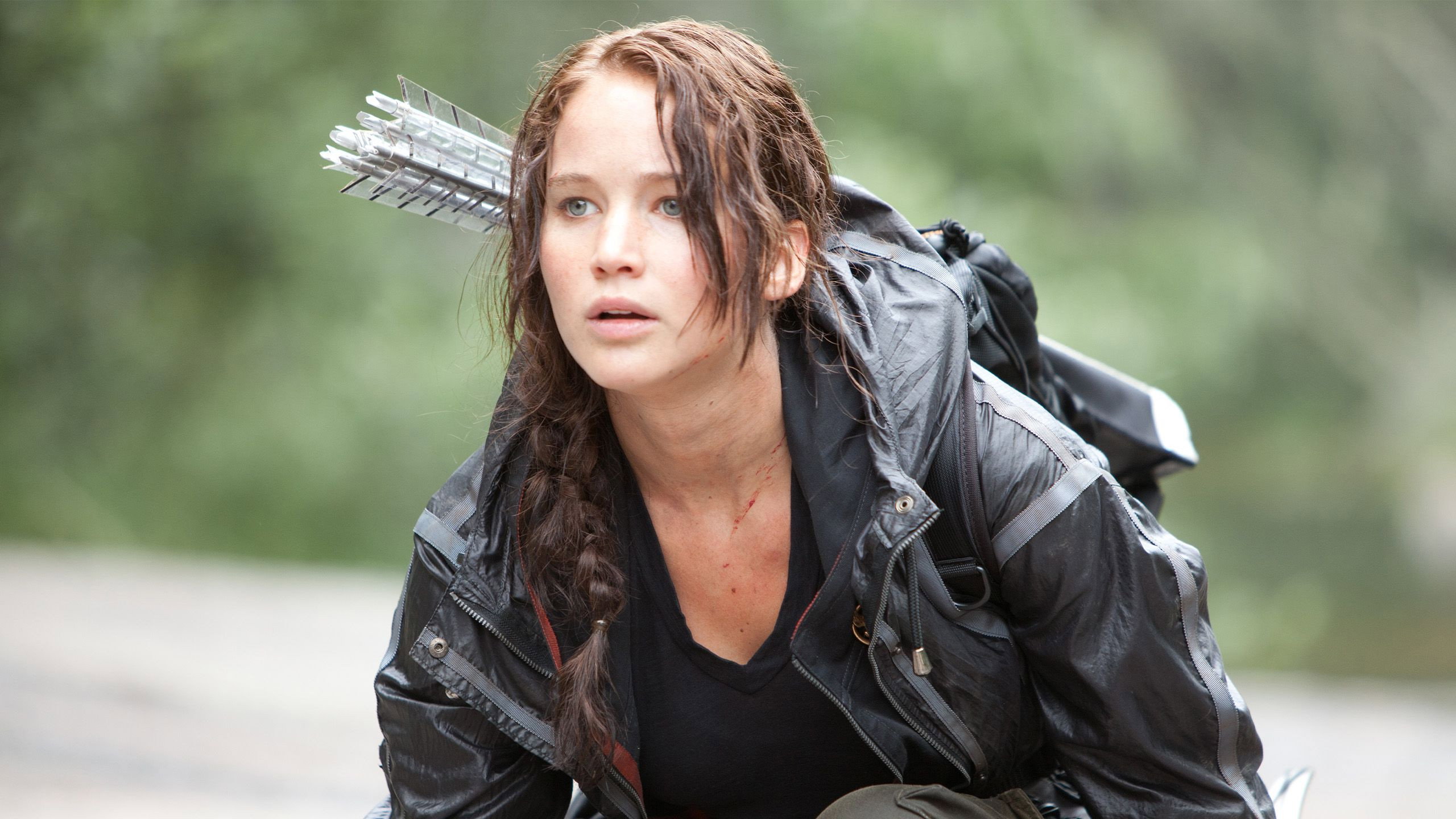
Of course, the original had to be quite high on this list; it's the one that started the rest of the incredible saga we’ve come to love. Everything here sets some incredible groundwork that is built upon time and time again through the other three movies. We only see much of what’s on the surface; however, we’re subtly let know that there is something hidden beneath.
Granted, this is much less visually interesting than any of the rest of the franchise, though that seems to be one of its only downfalls. Thematically, this is just as compelling and shows the blissful ignorance of the Capitol to the rest of Panem in some amazingly blatant - though also a few interesting smaller - ways.
This does an incredible job of not only selling the concept of the games and getting you interested in them, but also every single relationship inside of them, something that many have failed to do since - especially Sunrise on the Reaping. Upon every single rewatch, the death of Rue manages to hit you just as hard as the very first time - despite the fact that she and Katniss actually spend very little time together - which is simply a testament to how incredibly this world and specifically this relationship, is built up.
On my rewatch, I was focusing much more on Woody Harrelson’s Haymitch, as I knew I’d soon see a 40-year-younger version on the big screen. What surprised me was how little outright development we received for him. However, Harrelson creates a subtlety around the character of Haymitch which gives you such an interesting, though really quite hidden, glimpse into his jadedness after - not only his games - but spending the 24 years since sending more children off to die.
1. The Hunger Games: Catching Fire (2013)
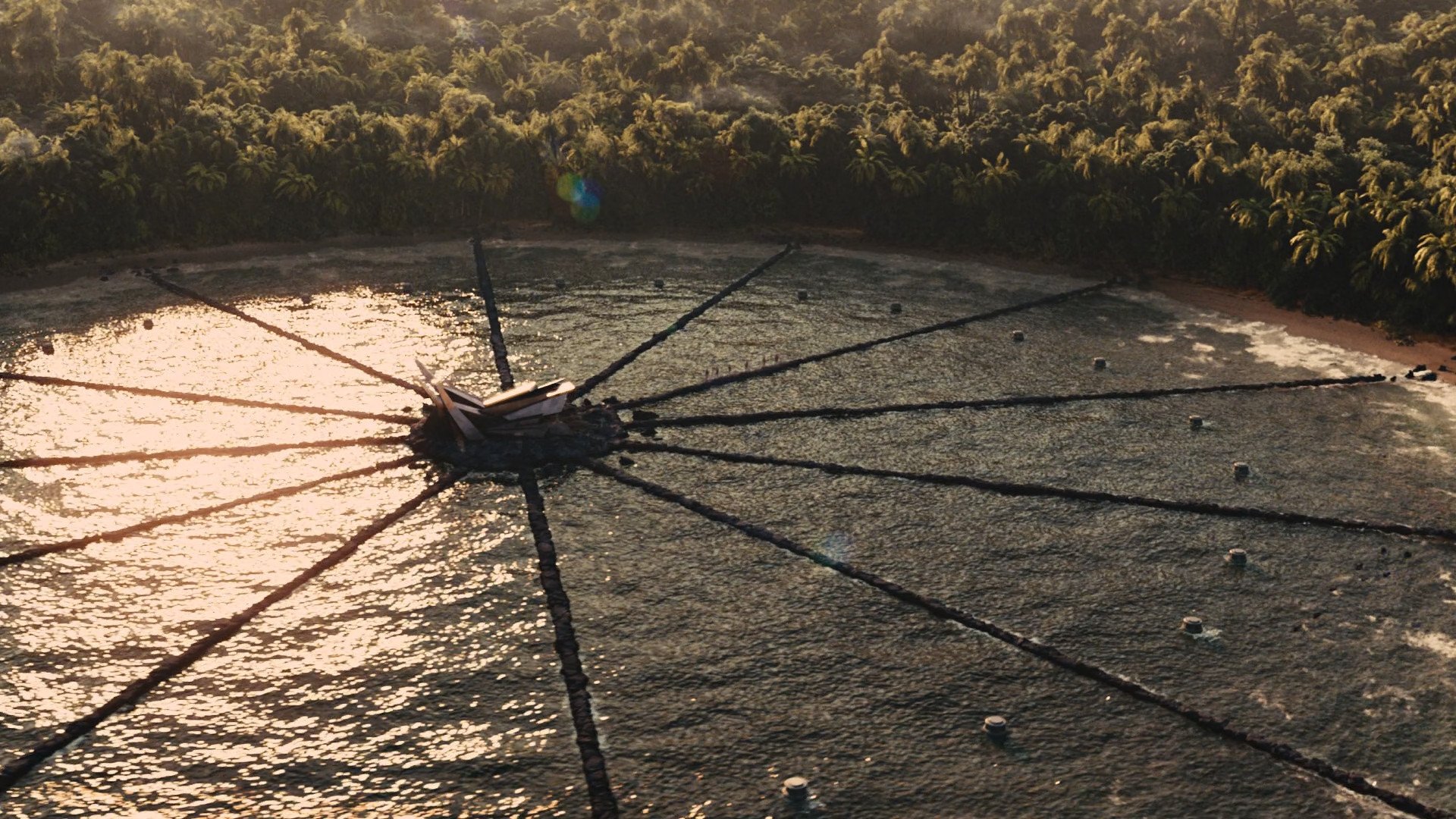
Catching Fire takes everything from the original movie and elevates it incredibly. I absolutely loved the concept of these games, with it being divided into 12 sections. However, you come to realise that everything about these games is fabricated by Plutarch Heavensbee to keep the tributes safe. With this clock system, the tributes are able to tell the time and stay out of danger - provided they stay out of whichever quadrant is lighting up at the time. This is also a much smaller arena - which you’d assume is to encourage more aggression - though it is actually a way for Plutarch to quickly enter the arena after it goes down and save the tributes without looking around too much.
Throughout the first act, we receive so much development on this dystopian world, as well as every district’s dissatisfaction with it. As Katniss and Peeta travel around Panem on their victory tour, they see the flickers of a revolution - as well as President Snow’s desperate attempts to blow them out - in a world which has sat in submission for 75 years. This is something that I felt was so incredibly done here - the beginnings of a revolution are hardly ever executed in as seamless a way as this.
Catching Fire flips Snow’s entire demeanour, almost completely. We see how he went from what seems like an all-knowing, all-seeing king who operates in the shadows to a desperate man, fighting to cling to any semblance of power that he still possesses before the citizens of his - once compliant - country overthrow him. Donald Sutherland has always been one of the best parts of the Hunger Games saga, and he proves it to an astonishing degree here.